


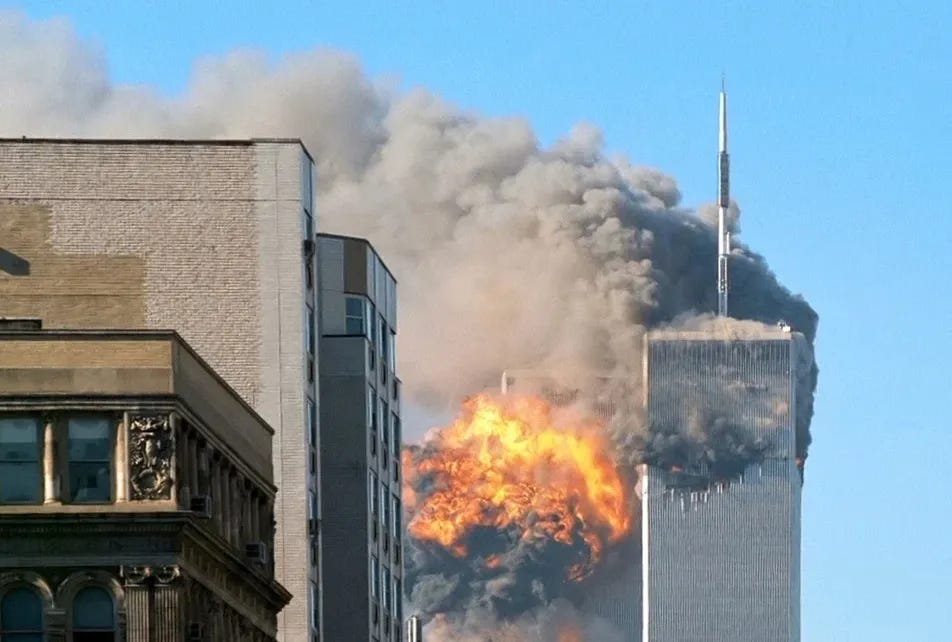
Half a lifetime ago I used to play squash. I was never very good and tried to forget my performance most weeks, but one game sticks in my mind. On the way to the court 25 years ago, I passed a TV showing a plane hitting the World Trade Centre. Die Hard movies were common and Sex and the Citybrought New York to life so I thought it was a trailer. As I came off the court I realised I was wrong. The world had changed and my life with it.
Within weeks I was into more intense training as my Army Reserve unit got ready. Those of us who spoke Arabic were helped to understand the commitment they had signed up for.
Twelve months later I was on my way to Cyprus, followed by a forward operating base in the Arabian desert, and finally war in Iraq.
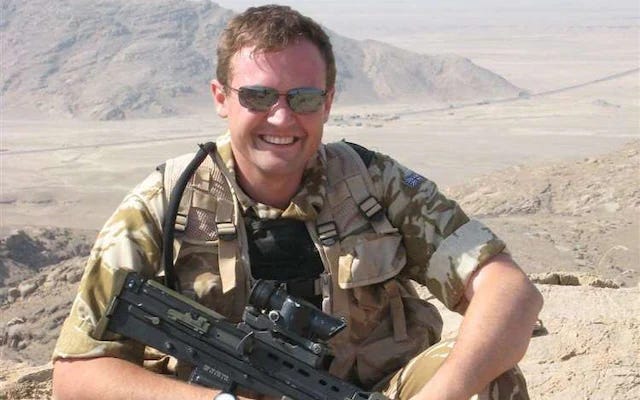
It was a baptism of fire. I left an air-conditioned newsroom in the City where I was covering oil markets and energy, to operate over the ground that held the reserves generating those stories. As a soldier attached to a squadron of Royal Marines, I learnt a new language, and how to adapt and fight.
From then on, decisions taken in Washington shaped my generation of soldiers. Every surge, every slip, every choice made in the White House or Congress seemed to have more impact on our lives than most of what happened in Whitehall. As our troop numbers rose in Helmand, Afghanistan, the thin spread of kit left us ever more dependent on Uncle Sam.
Fixing that was sometimes easy: a few bottles of whisky equipped an entire unit with new Gore-tex and night-vision goggles from an American store. Sometimes it was harder. On a flight line, waiting, always waiting, in 2007 I asked an Estonian sergeant whether it was his first tour of Afghanistan. It wasn’t. He’d been a Soviet soldier in the 1980s, but they’d had more helicopters back then.
Countries matched their stereotypes. The French rations were amazing, the Americans were brash, the Italians were incomprehensibly glamorous and we, well we made do and muddled through, constantly overwhelmed but with the best men and women these islands and the Commonwealth had to offer, all determined to do their best.
Day by day, and without us really noticing, the old era, that lazy decade of certainty and structure that looked permanent as the Berlin Wall fell, crumbled in the years after the Twin Towers came down. History was reasserting itself.
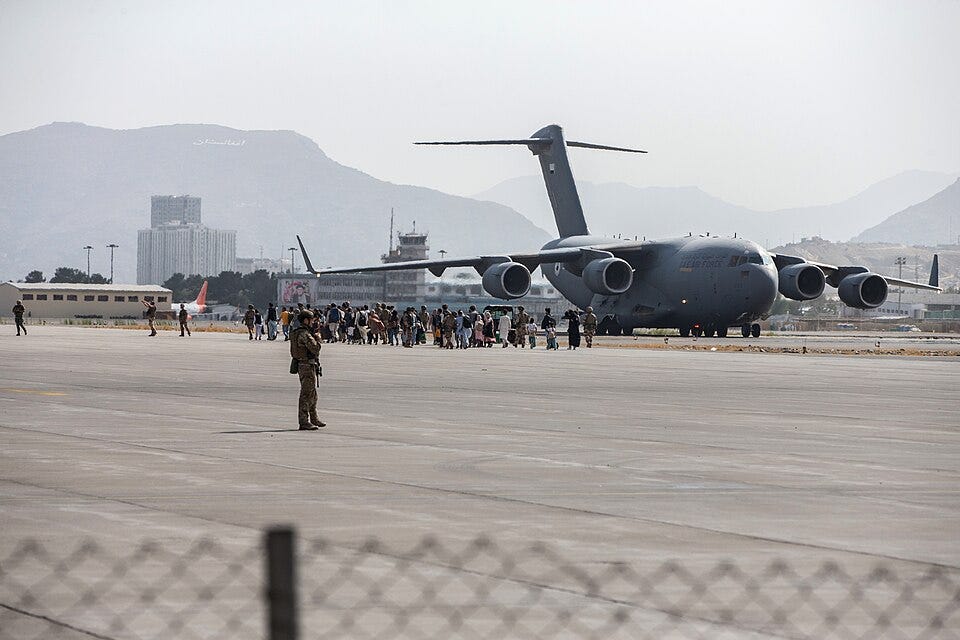
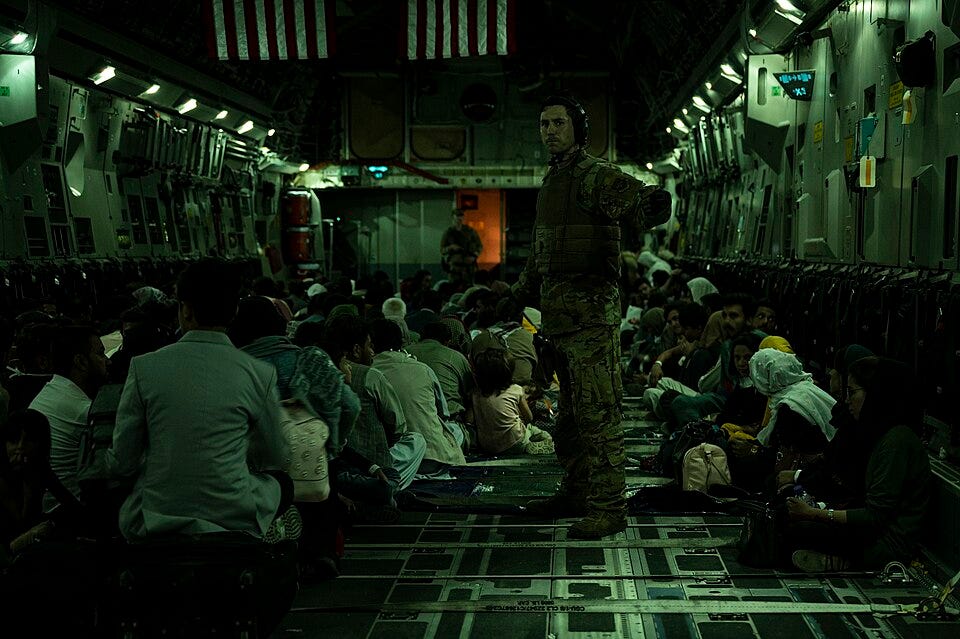
For me that old world died at Abbey Gate, the entrance to Kabul Airport. In 2021, in the chaos of our exit, a suicide bomber killed some of those who had stepped up to serve alongside us, hoping to build a better country for themselves and their children. They had believed our promises of permanence and were desperately fleeing as our impatience left them exposed.
Endurance is how wars are won and lost. We ended the century of European wars by remaining committed to guarding the peace. Hundreds of thousands of British, French and mostly American troops stayed in Germany until a democratic economy had grown roots. Patience wins.
The same was true in Japan and South Korea, and the cost of those troops was more than repaid with the boom of the decades that followed. Every innovation and shared project profited the taxpayers who secured it. That’s how friendships and futures are built.
It wasn’t just Joe Biden who forgot that. The chaotic withdrawal from Afghanistan happened because every country had grown complacent. We knew our place and knew that others would carry the burden, so we could ease off. We were wrong.
Today, Britain’s Armed Forces are a third smaller than the 200,000 we were when I joined. A brigade then had more artillery than the whole Army today.
We have pretended that we can penny pinch and drive efficiency into forces but have left ourselves precariously balancing on the edge. We focused on special forces who can conduct surgical strikes, at little cost, forgetting all those who train, enable, and sustain them. We prioritise drones that can destroy without risk, forgetting the need to change outcomes not just execute targets. We banked the savings and the consequences were not in firepower but endurance.
Without the British Army of the Rhine, waiting for the Soviets to cross into West Germany, we don’t have the mass. Others do. Russia never disarmed and its war in Ukraine is teaching them, and their Chinese partners, how to fight at range with weapons we barely understand, and to use the bodies of their own as mass to grind through the mud.
The truth is that my generation was the aberration. The politicians who sent us, who learnt all they know about war from Nato’s only Article Five operation, believed in fixed alliances, permanent partners, and a world that was predictable in the division between friend and foe. But those of us who were there, who felt the friction within the force, learnt a different lesson: allies are friends you haven’t lost yet. It takes work to keep a marriage alive.
That’s where we find ourselves today. A quarter of a century since the 19 hijackers with a death-wish sent me to war, the world has come to see what we could already see fraying. We now have to work out what to do next.
Turning back to the past is no answer. Without the overwhelming evil of German fascism and Japanese imperialism to unite Europe and the US, the oceans between us are growing. The concentration of wealth and power in Silicon Valley and Shenzhen, where artificial intelligence threatens to replace all, is deepening the trench not only between nations but within them.
Britain’s role today is to build and adapt. Starting with who we are and what we have, there are opportunities for those of us who learnt our maps in the deserts of Iraq and Afghanistan to apply lessons from the deals we did back then.
Units were formed: Danes and Brits, Afghans, of another age, and Estonians, working together showed what a network can become. Not in rejection of the US, nor trying to pull down the scaffolding that still buttresses our broken world, but to create options for action in areas that support our interest in a more stable future.
I will never go back to the squash court, and our world will never return to the comfortable Elizabethan summer torn apart on 9/11, but Britain through technology and trade, intelligence and partnership, has the ability to do more than just be a passed-over old friend. We have a duty to think through the world we need and invest in our forces and the capability to shape it again.
An amazingly personalised perspective on the events of 9/11 and a reminder to us all to guard against modern complacency in the safety of the world order . 9/11 may have been the first Article 5 call to arms of NATO, but it wont be the last . Well said, Tom Tugendhat
A big difference between our Foreign Secretary and the Shadow Foreign Secretary - the shadow understands the world.