


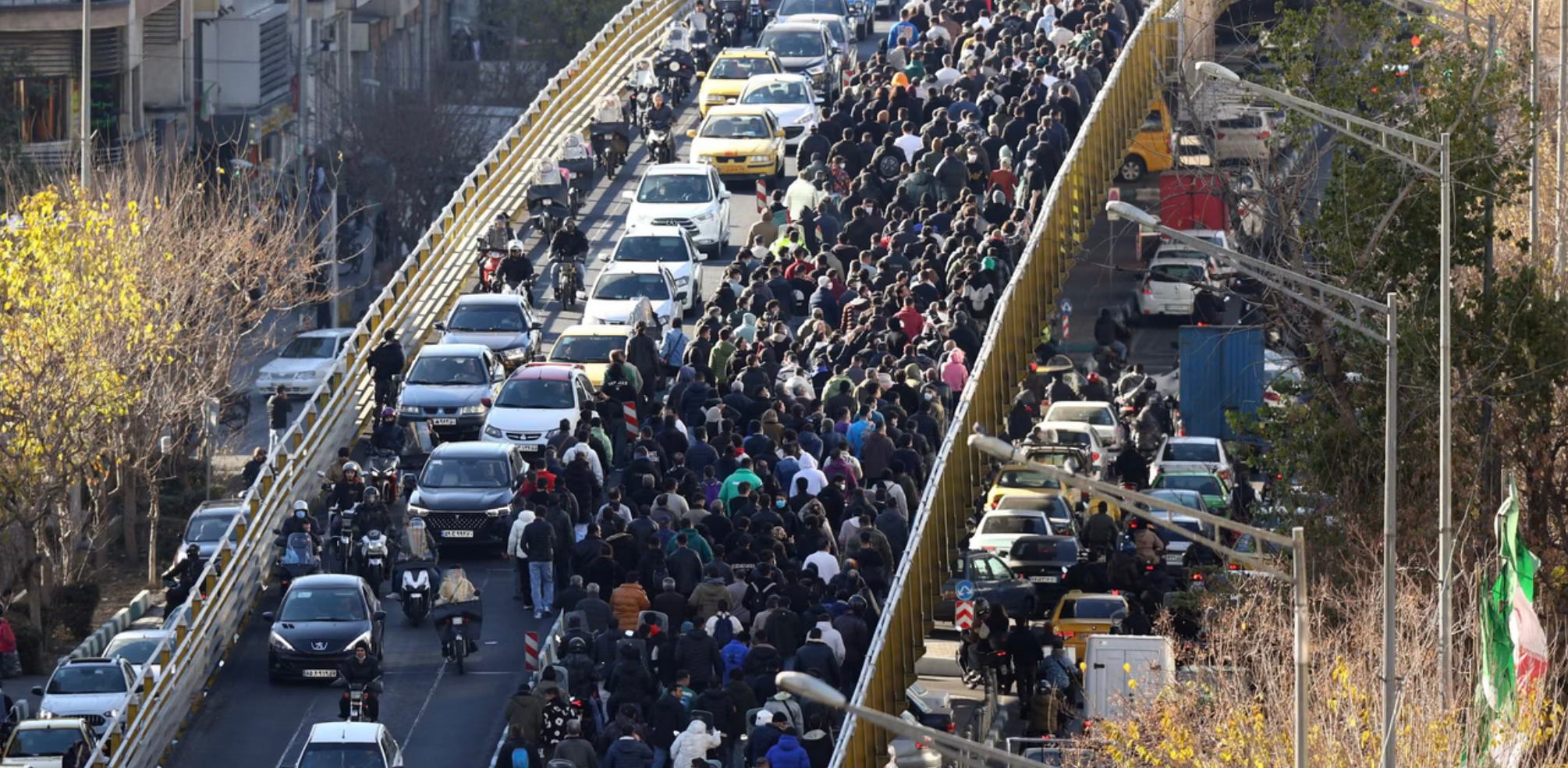
Every day this year something has gone wrong for the Islamic regime in Tehran. Now, protests have erupted across the country, more widespread than any since the government murdered Mahsa Amini in 2022.
Now, we’re seeing clashes with groups from shopkeepers to students of every age and demographic. Calls for the end of the ayatollahs, the restoration of the monarchy and for freedom have been heard from the Caspian Sea to the Persian Gulf. It’s true the economy is collapsing, but this isn’t about economics – it’s about liberation.
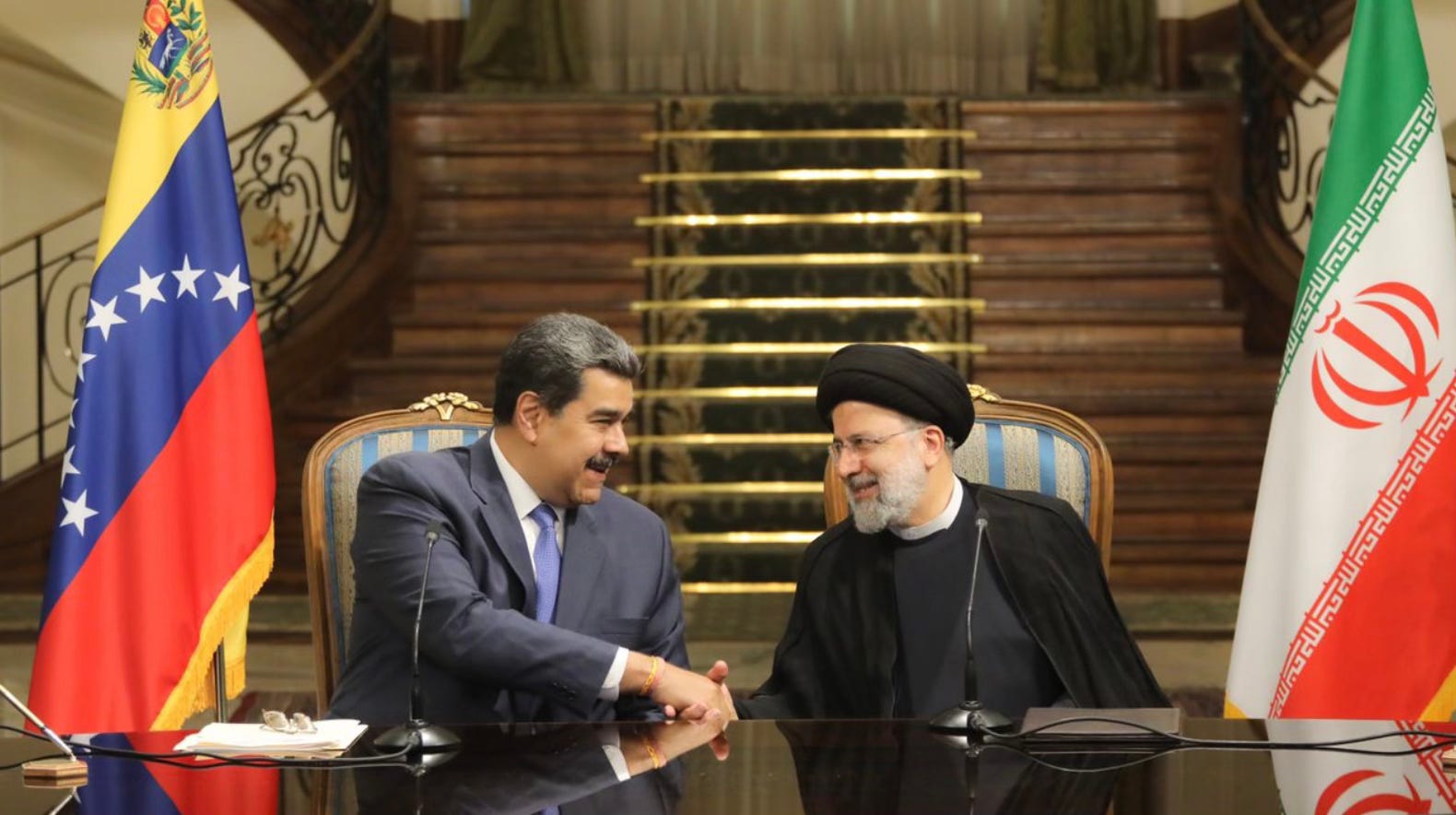
In the Caribbean, things have gone from bad to worse. For decades, Venezuela provided the enabling functions that allow a terror-state like Iran to operate. After sanctions froze their assets, stopped trade and interrupted operations, who would step in to help? Early on there were some Middle Eastern nations only too willing to take a cut to launder money, but as Syria has fallen and others have stepped away, Caracas became the most important enabler. A week ago that changed.
Removing Nicolás Maduro may have violated Venezuelan sovereignty but it eviscerated Iranian logistics. Where will the stormtroopers of the regime, the Islamic Revolutionary Guard Corps (IRGC) and their terrorist proxies in Hezbollah, get diplomatic passports now? How will they get around sanctions to pay agents across Europe and America to threaten BBC Persian Service journalists in London or US-based dissident Masih Alinejad? Where will they machine parts for their ballistic missiles and the drones they target across the Middle East, and sell on to Russia to murder Ukrainians?
They will now have to pivot in a way that would make the most networked nations struggle. The Iranian regime has few friends left and Moscow, their most important partner, is busy.
Reports of gold going overseas are growing, army and police defections are rising and, without drone sales or drug deals, there’s no money coming in.
The start to 2026 could hardly have gone worse for the 86-year-old Supreme Leader, but the
year has only just begun and the direction is set. What’s likely to follow shows why this regime is finished. Despite his age, Ayatollah Ali Khamenei is fighting back. He has called for the protestors to be dealt with, encouraging the security forces of the regime to murder those who come on to the streets.
Already we’re seeing the results. Morgues full, prisons stacked, many injured and the hospitals that care for them raided. This is full-spectrum repression. But it’s struggling. The regime is just over. The factors weighing down the ayatollahs now are just too great.
Iran is a young country. Less than half the population remembers the time of the king so their idea of tyranny isn’t monarchy but theocracy. They’ve forgotten the downsides and instead now hear the stories of freedom – no veil, no corrupt IRGC, no religious enforcers – that their grandparents recount. It sounds like a liberation.
Executions in jails doubled in 2025
The regime has also grown more repressive. Norway-based Iran Human Rights said that the number of people executed in Iran’s jails doubled in 2025 from the year before. That hardly speaks of a stable dictatorship. And of course the strikes by Israel and the US didn’t just knock out the nuclear sites, they decapitated the military and demonstrated the impotence of the regime despite the billions spent on weapons and the lies told about Iranian greatness. Is it any wonder the Emirati gold souks have been filled with Iranian buyers for the past months?
The question now is: what next? That’s hard to predict but it doesn’t look good for the ayatollahs. Despite a helicopter crash killing the last president at the start of 2025, this regime has managed to right itself from previous earthquakes. This time, though, it feels different.
The gap between the elite and the masses has grown as the IRGC has enriched itself through corruption and left the police, army, navy and air force out of the industrial level of graft. Even the rurally-drawn militia, the Basij, has found itself struggling as acts of god and man have left them thirsty with water shortages. Even Tehran is gasping.
And now there is the question of succession. After almost 50 years of condemning the hereditary monarchy, the only viable successor to the leader is his 56-year-old son, Mojtaba. We’ve reached the final stage of the revolution George Orwell described in Animal Farm: four legs good, two legs better.
But the economy is in free fall. Inflation is rampant. The government is buying rials to try to stabilise prices, and it’s bringing whatever weapons it can get from Russia. But none of that is enough. Reports of gold going overseas are growing, army and police defections are rising and without drone sales or transatlantic drug deals from Venezuela, there’s no money coming in.
Whether the king returns, democracy succeeds or another tyranny replaces the current one, we can’t know. What is certain is that this regime is over, at the latest, when the ageing Supreme Leader dies.
Free Iran!
https://open.substack.com/pub/sergemil/p/a-turning-point-for-iran-and-the