


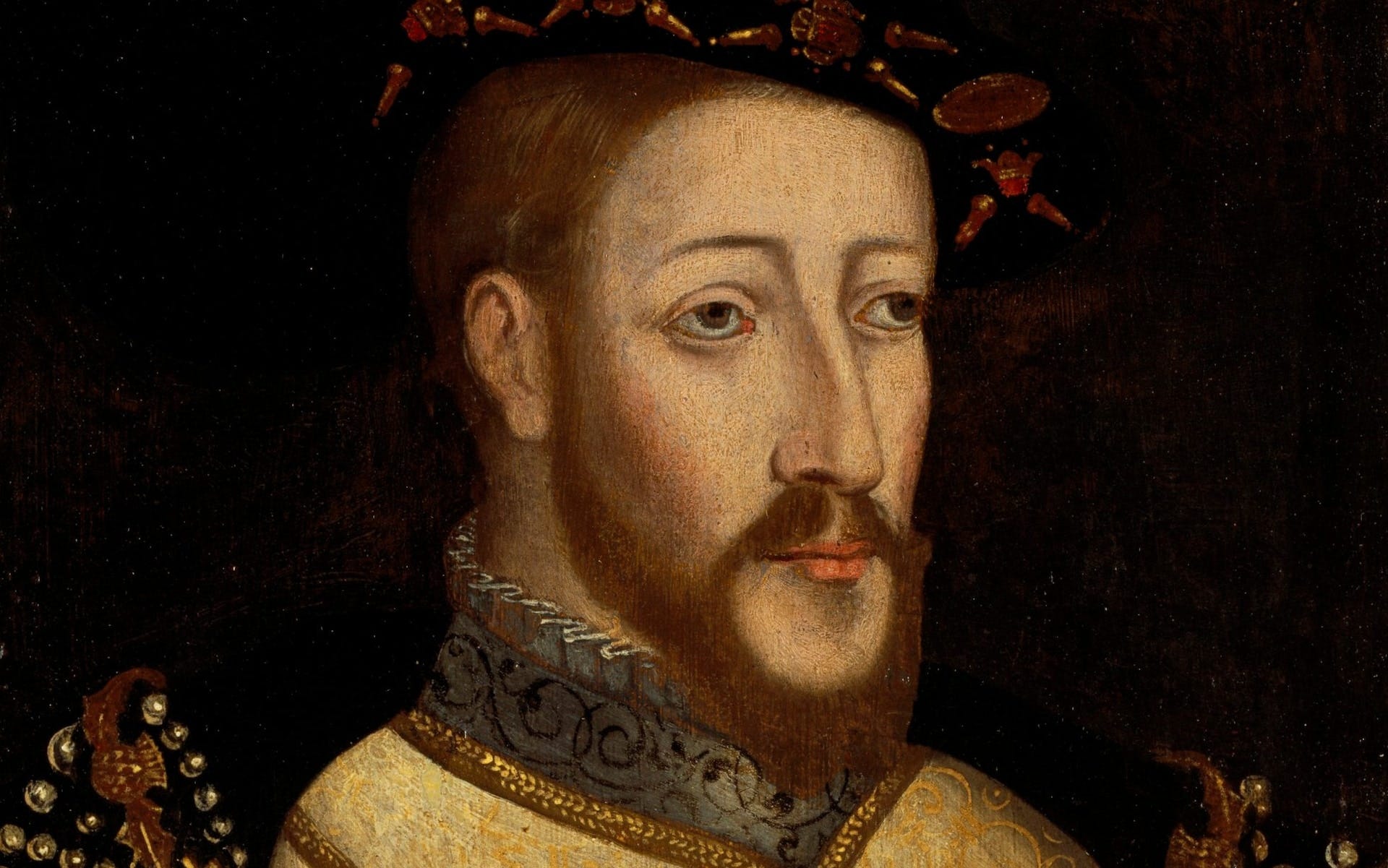
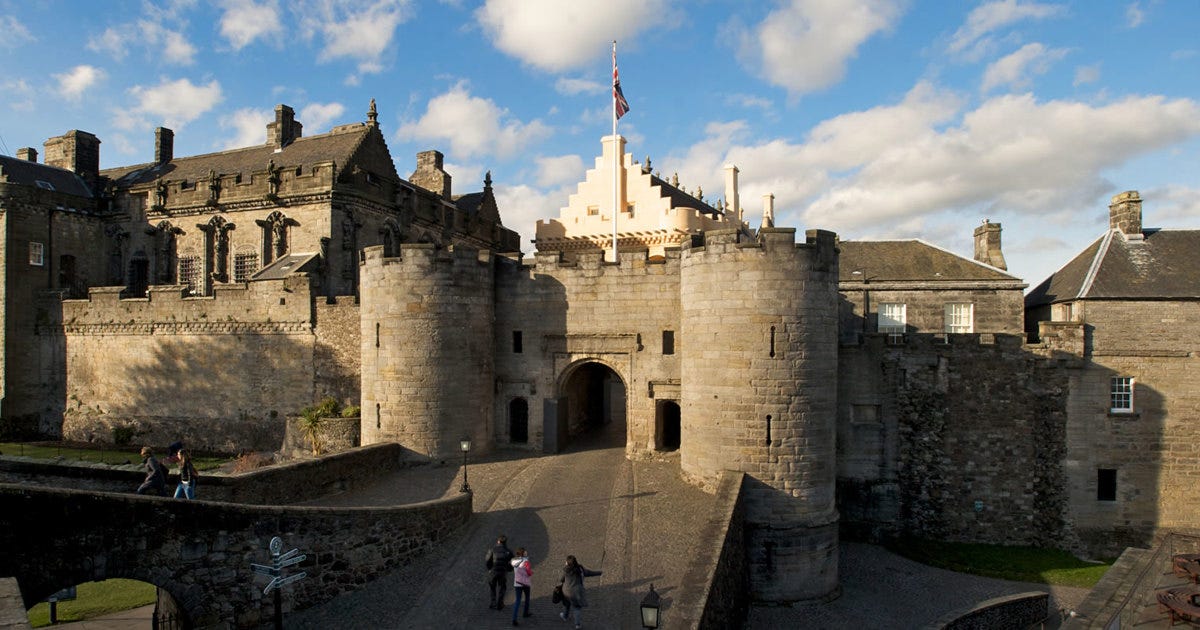
Stirling Castle controlled Scotland throughout the 16th century. Its position, scale and splendour spoke of a monarch dominating his kingdom with military and moral power.
That was no accident. James V was in his pomp when he called artists from across Europe to make his new French wife, Mary of Guise, feel welcome. The palace he built, begun in the 1530s, was the first Renaissance palace in the British Isles.
French masons carved the façade. German engravings supplied the patterns. Scottish ambition paid for it all. Walk outside the Royal Palace today and the statues still stare down at you. Warriors line the south parapet. Below them stand the full-size figures: Venus, the goddess of love and fertility, is rendered twice for emphasis but it is no coincidence that the first of these is Abundance.
James V had understood what too many have forgotten: his legitimacy came not just from God, but from his bounty. He knew that he needed to provide for his people. Abundance was not a luxury; it was a doctrine.
Today, across Europe and here at home, too many have replaced the pursuit of abundance with the management of constraint and this fundamental defeatism is costing us all.
Energy, the foundation of every industrial economy since James Watt, has been deliberately restricted through carbon targets, planning vetoes, and a regulatory apparatus that treats the production of power as a problem to be contained rather than a capacity to be unleashed.
Britain’s Grangemouth refinery is closed, North Sea plans are vetoed, and the Gainsborough Trough sits untapped for its gas. In Germany, the story is similar: shuttered nuclear plants and American gas imports at four times the price it once paid for Russian supplies.France alone is resilient with its own nuclear plants, but even they depend on other sources.
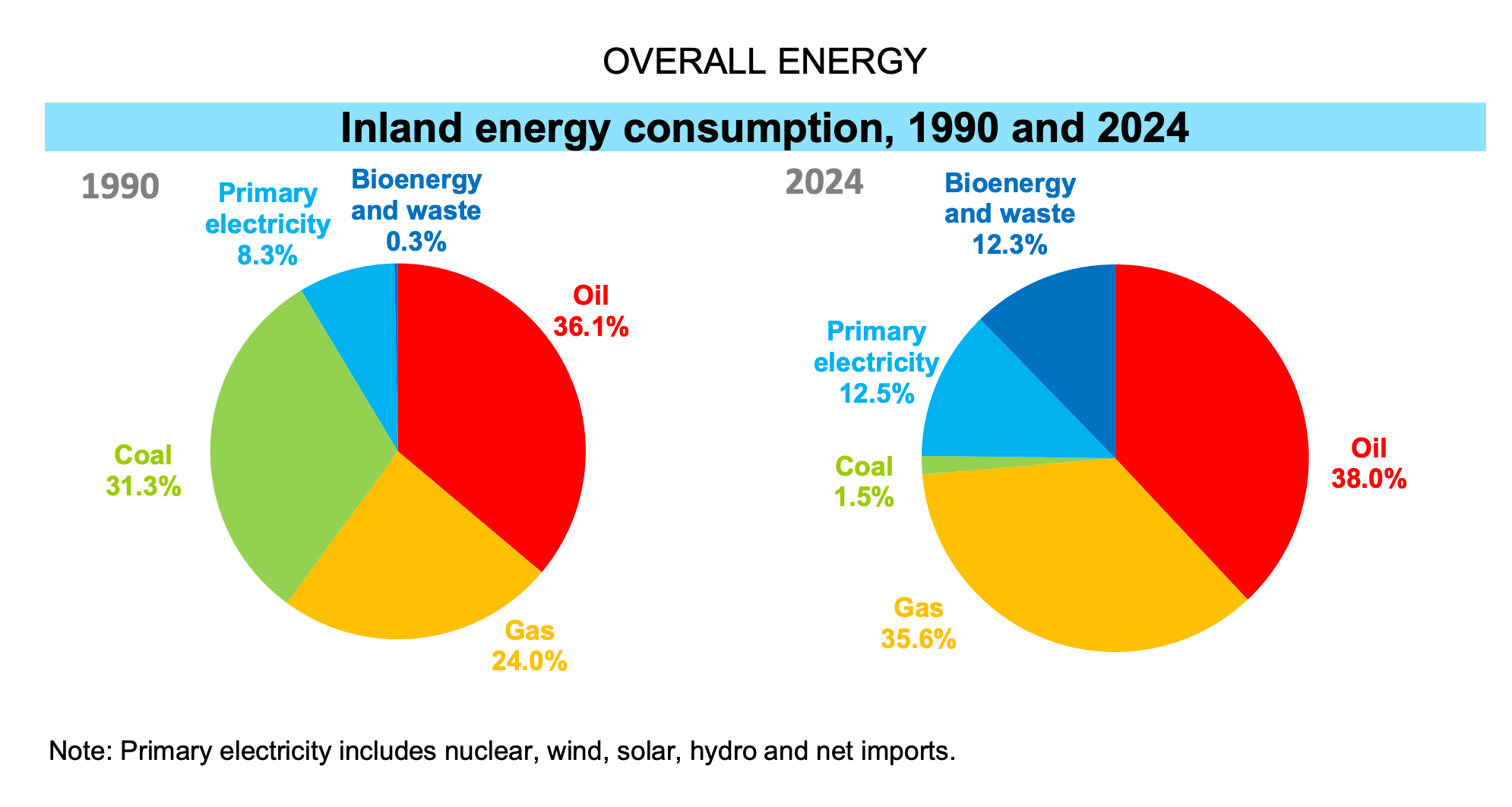
The continent that launched the industrial revolution is choosing to make energy expensive and is surprised when industry leaves.
In Britain, we’re doing the same with capital. Pension funds that once financed railways in Scotland and bridges in Wales, creating the infrastructure to connect a growing economy, have been herded by regulation into government bonds.
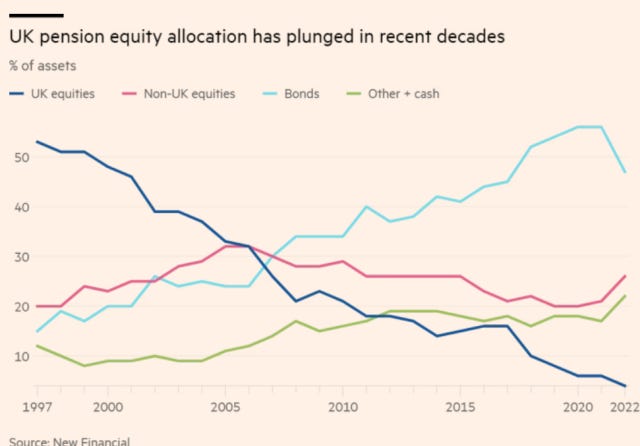
The money isn’t destroyed but nationalised: extracted from productive investment and lent back to the state to fund its own consumption, generating the returns of the bureaucrat, not the entrepreneur.
That is, starving companies that might have grown cannot find backing. The heirs of Adam Smith look elsewhere as the savings of millions of working people are converted, silently, into gilts that fund today’s spending rather than tomorrow’s prosperity.
James V would have recognised the parable of the talents enacted as fiscal policy, but seen us as the foolish servant who was scolded, not the wise ones who returned a profit.
The result is invisible but can be felt: Europe today is ageing and protecting the past, instead of aspiring to the future. That’s not just bad for the young; it hurts us all.
Emigration is as important as immigration and seeing rural communities from the Scottish Highlands to southern Italy leave is heartbreaking.
To the family, it’s a lost connection; to the state, it’s a debt paid in education now uncollected in taxes. That’s no way to build a future.
Losing abundance has also unbalanced our relationships, as Henry Kissinger saw decades ago. In 1966, he warned that it was in neither America’s interest nor Europe’s that Europe should become “the Greece to our Rome, a political backwater, interesting culturally but unable to play an active role”.
Hegemony without allies is demoralising, he argued, and the only way for America to sustain its influence was to share both the costs and the responsibilities of the common defence.
The alternative was that its allies would simply shift those burdens onto Washington. That is precisely what happened. And now Washington is deciding, not unreasonably, that it has had enough.
Stirling Castle is a museum now and tourists, many American descendants of those who once built it, walk through rooms where James V once danced. It is beautiful, lovingly restored, and entirely powerless.
That is the fate Kissinger described, and it is the fate Europe is choosing: culturally interesting, strategically irrelevant, a playground for visitors – underwritten resentfully by another’s protection.
This is bad for Europe, for America and bad for the West. A world in which the United States carries the full burden of defending the liberal order is brittle. Alliances work when every member has something to offer and something to lose.
A Europe that has outsourced its energy, nationalised its capital, and hollowed out its defence industrial base has very little left to contribute and very little leverage with which to shape its own security.
The statues at Stirling Castle depicted abundance because James V understood that abundance is the precondition of power. We have chosen scarcity, called it virtue, and wondered why the power followed the energy to where it is welcome. It is time to build again.
A moving and eloquent piece Tom. On the subject of energy security, parliament should consider repealing the 1934 law that now discourages fracking in the UK.