


A century and a half ago, Indian maharajas debated gun salutes with the British viceroy while engineers laid telegraph wires, transforming kingdoms into colonies. This month, while His Majesty The King hosted US President Donald Trump at Windsor Castle, Elon Musk quietly executed another transformative deal: SpaceX bought EchoStar’s spectrum rights for $17 billion.
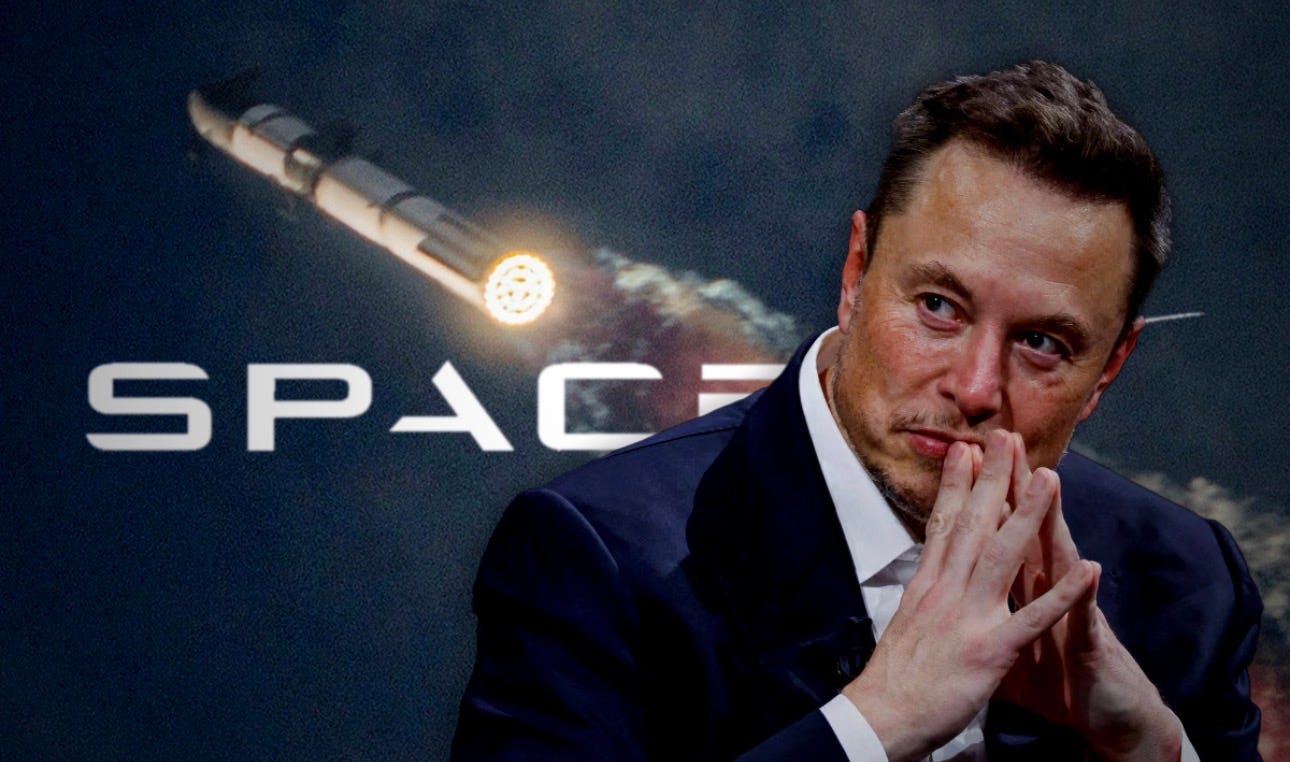
This wasn’t just a corporate transaction, it could redefine the relationship between citizens and states.
Musk will now be able to link satellites directly to smartphones without terrestrial infrastructure. Unlike older satellite phones requiring bulky terminals, EchoStar’s spectrum operates on frequencies that penetrate buildings and work with standard smartphone antennas. SpaceX now controls enough spectrum to offer global mobile services, bypassing national networks and oversight.
The timing is no accident. Apple’s iPhone 14 introduced emergency satellite messaging, but battery limitations restricted its use. The iPhone 17’s improved efficiency could enable routine satellite connectivity. Once phones seamlessly switch between cell towers and satellites, local infrastructure becomes redundant and that changes who can decide what is allowed.
Control over communications infrastructure has long been a cornerstone of governance. It enables censorship and surveillance, of course, but also emergency broadcasts and the prosecution of fraudsters and child abusers. SpaceX’s model breaks free from those earthly bonds. When citizens communicate via orbital networks, traditional regulations fall away.
Take Britain’s Online Safety Act, which mandates content moderation and regulatory cooperation. How can such laws be enforced when platforms route traffic through space-based networks beyond British jurisdiction?
This shift isn’t limited to communications. Companies like Stripe and Coinbase already allow users to bypass national banking systems via stablecoins and cryptocurrencies. People can hold dollar-denominated digital assets and transfer funds internationally without touching central banks. This undermines traditional structures of employment, taxation, and even monetary policy.
Combine unrestricted communications with borderless payments, and you allow faster regulatory arbitrage, the race that sees companies and individuals find the legal environments that suit them, wherever they may physically live. Why accept speech restrictions when satellites offer an opt-out? Why use national currency when global digital assets are available?
Britain, historically, understood the power of infrastructure. In the 19th century, its control of undersea telegraph cables gave London dominance over global information flows. British operators could delay, prioritise, or modify messages, influencing markets, politics, and wars.
Within days of Russia’s 2022 invasion, SpaceX activated satellite internet across Ukraine, enabling military coordination despite destroyed ground networks. Ukrainian forces used Starlink for drone strikes, artillery coordination, and command continuity. This wasn’t government aid but private infrastructure shaping military capabilities.
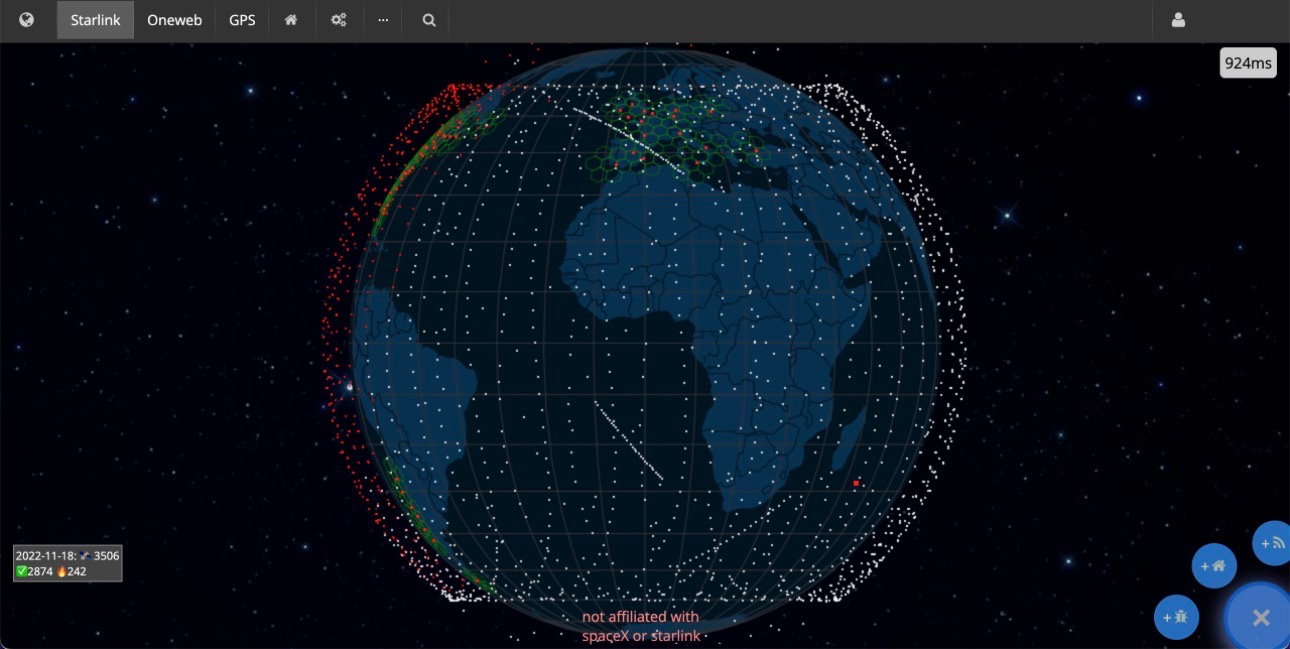
SpaceX’s spectrum acquisition was about more than just its own reach and market competition but market creation. With exclusive rights to direct-to-phone connectivity, SpaceX can dictate terms to device makers, telecoms, and governments shaping a new technology to its own standards.
Need emergency satellite service? SpaceX sets the terms. Want secure military communications? Better maintain good relations with Musk. Hoping to regulate content? Not if platforms use Starlink.
Competitors are catching up but still behind. Globalstar, Apple’s satellite partner, is just beginning its buildout. AST SpaceMobile, partnered with AT&T and Verizon, is struggling with delays, including a missed deadline for launch of its first satellite at the end of August. AST is using Amazon founder Jeff Bezos’s space company, Blue Origin.
Amazon’s Project Kuiper remains years behind, and EchoStar, previously a major competitor, has effectively conceded by selling to SpaceX.
Governments have few options. They could ban satellite-enabled devices but opting out of the new communications technology would cripple economies and be unenforceable as devices become smaller and more integrated and can cross borders without warning. They could build rival infrastructure, like the EU’s IRIS² satellite constellation, but that’s years behind schedule and commercially unviable without subsidies.
Alternatively, states could negotiate access agreements, accepting subordinate status and governance by permission of private infrastructure owners. Or they could develop new regulatory frameworks to attract innovation, but how do you enforce those rules when satellites operate beyond territorial reach? Each path forces a choice between sovereignty and prosperity.
This won’t eliminate governments, but it will reorder power. Nations without satellite infrastructure risk becoming ‘hollow states,’ retaining formal authority but lacking control over essential systems. Infrastructure owners like SpaceX, Amazon, Meta, and Google will wield sovereign-like power without sovereign responsibility.
Their decisions—algorithm changes, network policies, platform rules—already shape elections, speech, and economic opportunity more than traditional government policies. If SpaceX restricts access to a region, it could influence geopolitics more than diplomacy. If payment processors change policies, commerce shifts faster than central bank actions.
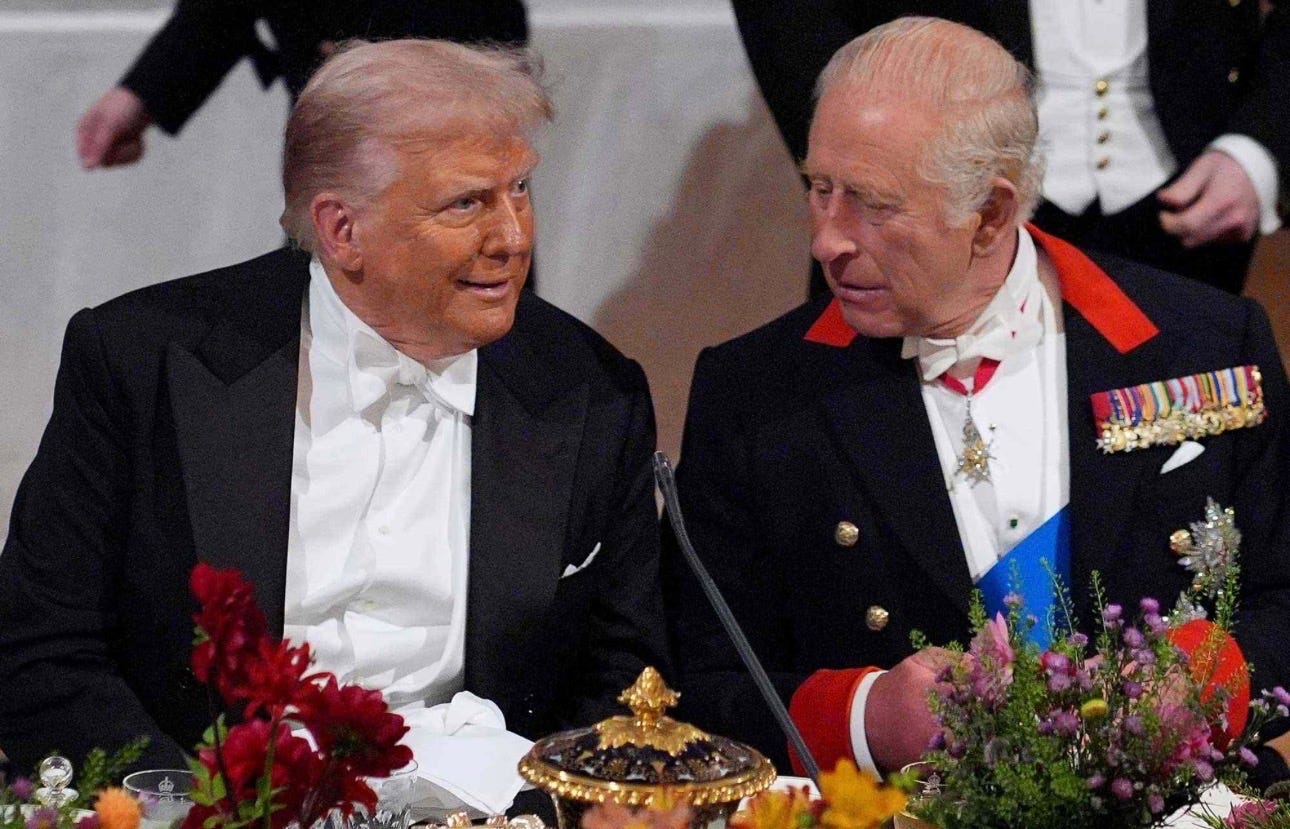
The question isn’t whether this transformation can be stopped, even Cnut, King Charles’ predecessor but 41, knew he couldn’t stop the tide, but whether governments can evolve to retain meaningful control over the forces reshaping society. Today’s leaders still debate status while SpaceX redefines power. The contest is no longer about data, it’s about infrastructure. Power has shifted to the heavens, and unless governments adapt, they’ll be left on the ground.
Given the scale of power private ownership of infrastructure and technology such as this would have over the very power dynamics you describe in the stack above, it is essential now we treat the technocratic oligarchy as an emerging challenging state. In recognizing as you have done above that these companies and private owners will control sovereign like power which seeks to completely unseat the traditional power dynamics we are faced with an option to allow their emergence or control it. Without controlling it we cede power to new rulers who we would be forced to accept. Rulers not democratically elected but crowned as owners of capital. A plutocracy.
We must instead choose to acknowledge these companies and actors as state risks in the same way we view other states interfering or seeking to undermine our sovereign authority. If we let this go too far the cat will be out of the bag, there will be no stopping it and power will be unseated.
We can choose to act, global agreement should be sought and hopefully easily found given its destabilizing effect is universal. These companies and owners have capital, and still inhabit the Earth. While they continue to do so they fall under the remit of states laws and therefore can be bound to act in certain ways. Regulatory frameworks on the safety nets required by satellite communication platforms can be required. Disclosures of information and access can be granted by a willing infrastructure owner. These can be enforced while capital, income and owners still preside on Earth.
We must avoid a race to the bottom where countries reduce regulation to attract ‘residency’ as we have seen in the global corporate tax system.
If this system of direct satellite communication brings complete access to all with no barriers, the Libertarian dream may seem to have come true but the anarchic nightmare will have actually begun. The new leader of the world will be unelected and will have free rein to act in their own self interest. In a good world we get a benevolent dictator where our freedoms are stripped but we prosper. The likelihood is the owners of satelitte infrastructure become techofeudal lords (to steal a term from Yanis Varoufakis) whom have complete control and sit beyond rule of law. The state may as you say have control however this control is 1. Democratically granted and 2. Essential to stability and the guaranteeing of freedom.
Thank you for such an informative post.